
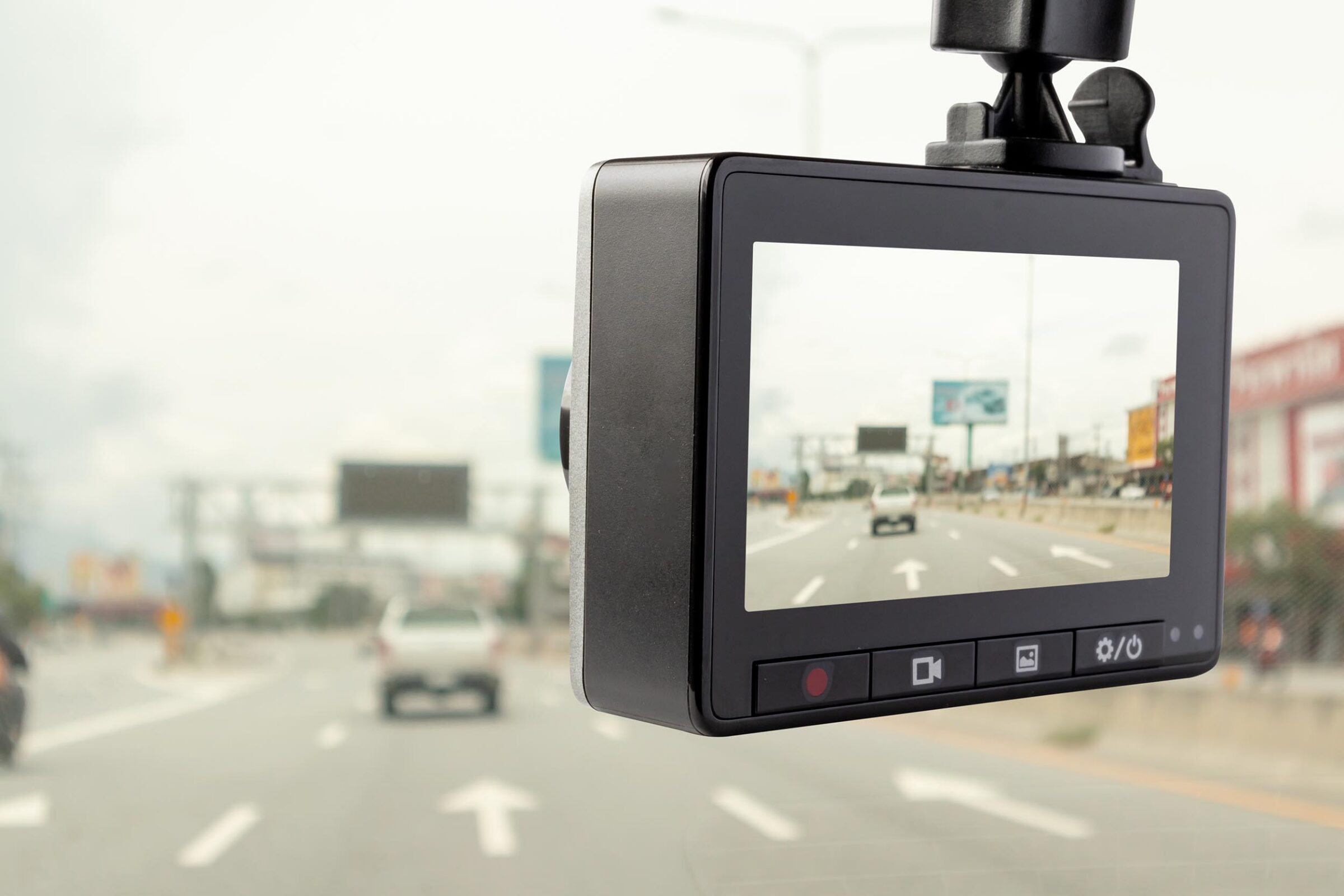
If you were recently in a crash and are wondering, is dash cam evidence admissible in court?, the short answer is: yes. In Nevada, dash cam evidence is generally highly admissible and can be one of the most powerful tools to prove liability. As long as the footage is properly authenticated and does not violate privacy laws, insurance adjusters and judges rely heavily on it to establish exactly who caused the accident, speeding up your path to a fair settlement.
“Video evidence fundamentally changes the negotiation landscape. An insurance adjuster can argue with a police report or a witness statement, but they cannot argue with high-definition video of their driver running a red light.”
— Cody Oldham, Former Insurance Defense Partner at Jensen Oldham
What Makes Dash Cam Evidence in Court Admissible?
For dash cam evidence in court to be accepted by a judge or leveraged successfully against an insurance adjuster, it must meet basic legal standards, primarily authentication and relevance.
First, the footage must be relevant to the case, meaning it directly shows the accident, the moments leading up to it, or the immediate aftermath. Second, it must be authenticated. This simply means your legal team must prove the video is a true and accurate representation of the events and has not been altered, spliced, or digitally manipulated. The American Bar Association has strict guidelines regarding the admissibility of digital evidence, which is why handing the raw, unedited footage directly to your attorney is crucial.
Furthermore, because driving happens on public roads, there is no legal expectation of privacy for the visuals captured outside your windshield. If a camera catches someone swerving into your lane, their privacy rights are not being violated.
5 Ways Dash Cam Evidence Strengthens Your Personal Injury Claim
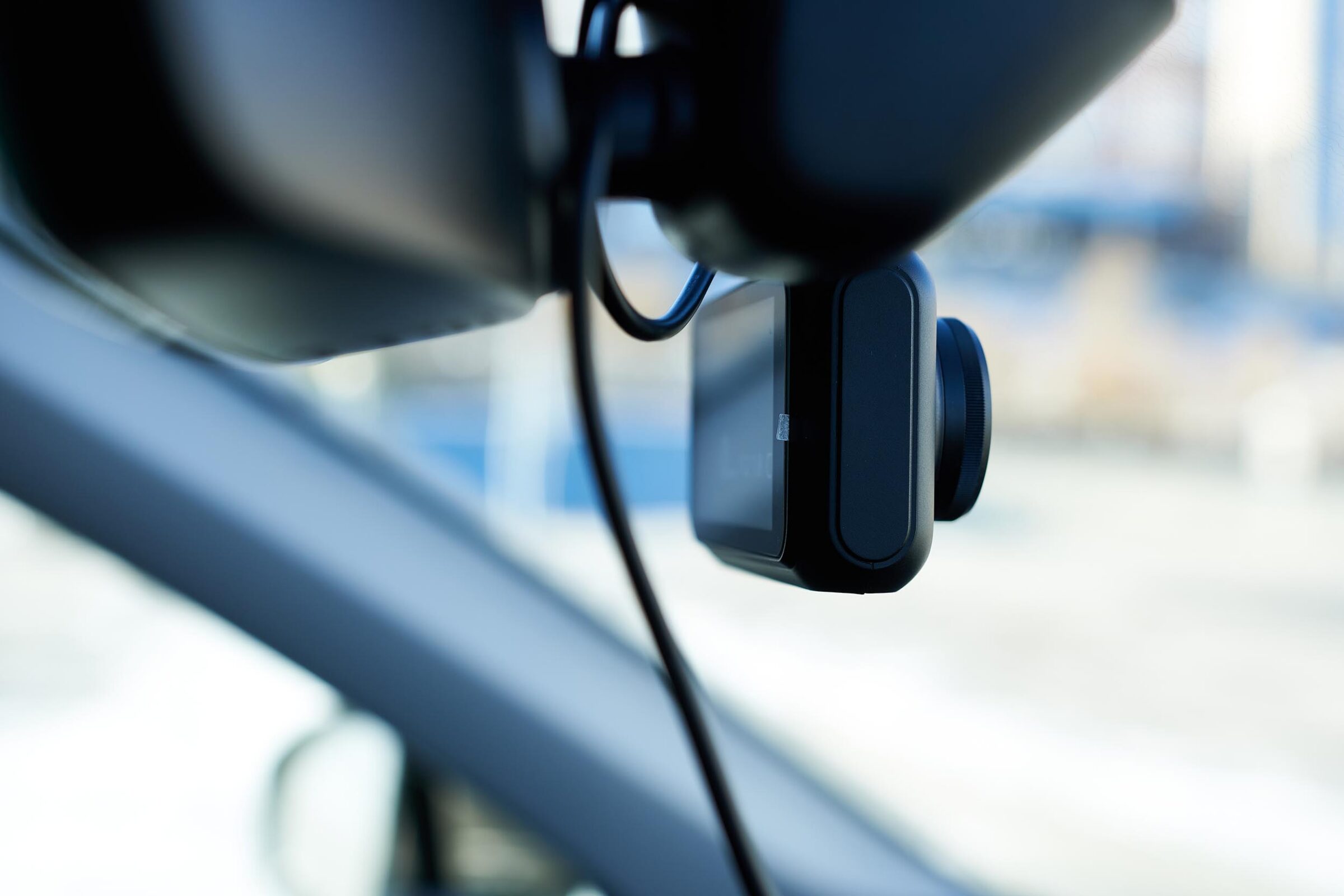
As a former insurance defense attorney, Cody Oldham knows firsthand that the defense team breathes a collective sigh of dread when a plaintiff produces clear dash cam footage. Here is exactly how this specific evidence is leveraged to win your case:
1. Proving Fault Beyond a Doubt
Intersections and lane changes are notoriously the hardest crashes to prove. In many cases, it comes down to which driver the responding police officer decides to believe. Dash cams provide an unbiased, objective witness that never blinks. They can definitively capture the color of a traffic light, the exact speed of the vehicles, and proper lane positioning right up to the moment of impact.
2. Refuting “He-Said, She-Said” Defenses
Insurance adjusters love it when liability is disputed. If both drivers claim the other person was at fault, the insurance company will often use the confusion to deny the claim entirely or try to assign 50/50 fault (which drastically reduces your payout). Video evidence immediately shuts down a driver who lies to the police about what happened and completely eliminates the “he-said, she-said” gridlock.
3. Identifying Hit-and-Run Drivers
If the at-fault driver flees the scene of the accident, you could be left footing the bill for your own medical expenses. However, a high-quality dash cam can often catch the fleeing vehicle’s license plate number, make, model, and sometimes even physical characteristics of the driver. This information enables law enforcement to track them down so your legal team can file a claim against their insurance policy.
4. Defending Against Swoop and Squat Scams
Unfortunately, staged accidents and insurance fraud are a reality on Nevada roads. The Swoop and Squat is a common scam where a driver intentionally pulls in front of you and slams on their brakes to force a rear-end collision, aiming to collect an injury settlement. Because the rear driver is almost always presumed at fault, this scam is highly effective, unless you have dash cam footage proving they braked erratically and intentionally.
5. Speeding Up the Insurance Settlement Process
Part of what a car accident lawyer does is build a case so strong that the insurance company realizes going to trial is a losing battle. When the defense sees that you have undisputed, high-definition video of their client causing the wreck, they are far less likely to drag the case into a lengthy, expensive litigation process. Faced with clear video evidence, adjusters will often offer a fair, maximum settlement much earlier in the timeline.
Did You Know?
According to industry surveys of auto insurance claims, cases that include clear, authenticated video evidence are resolved significantly faster than claims relying solely on eyewitness testimony, which is notoriously unreliable and easily picked apart by defense attorneys.
THE LEGALITY OF AUDIO AND VIDEO RECORDING IN NEVADA
When using a dash cam, many drivers worry about wiretapping laws—especially if their camera records the audio inside the cabin. In Nevada, anything that occurs in public view on a public roadway carries no reasonable expectation of privacy, making the video footage perfectly legal to capture.
When it comes to the audio recorded inside your vehicle, Nevada law (NRS 200.650) generally operates on a “one-party consent” rule for in-person conversations. This means as long as you (the owner of the vehicle and a party to the conversation) consent to the recording, the audio is legally obtained and admissible.
Common Mistakes That Can Ruin Your Dash Cam Evidence
Even if you have the crash on video, simple errors at the scene or in the days following can jeopardize your claim. Understanding the mistakes to avoid in a personal injury claim is just as important as having the evidence itself.
- Do not tell the at-fault driver you have a camera: If the other driver is lying, let them give their false statement to the police first. If they know they are on camera, they will change their story to sound more reasonable. Catching them in a documented lie to law enforcement destroys their credibility with the insurance company.
- Do not edit the footage: Never try to trim, splice, cut, or add filters to the video before sending it to your lawyer. Even if you are just trying to cut out the boring parts before the crash, the defense will argue that the video has been tampered with, and a judge may throw it out entirely.
- Save the SD card immediately: Many dash cams are designed to operate on a continuous loop, recording over old footage when the memory card gets full. If someone continues driving your car for a week after the crash, the camera might delete the accident. Remove the SD card or lock the file immediately to preserve the data.
- Do not post it on social media: Uploading the crash to YouTube, Facebook, or any other online forum gives the defense attorneys immediate access to your evidence before your lawyer has a chance to formulate a legal strategy. Keep it offline and confidential.
Maximize Your Claim with Jensen Oldham
Navigating the aftermath of a severe crash is overwhelming, and proving exactly what happened shouldn’t be a burden you carry alone. If your vehicle was equipped with a camera at the time of your crash, hand the unedited footage directly to your attorney and let us handle the rest.
At Jensen Oldham, our Reno car accident lawyers know exactly how to authenticate digital evidence, present it to the insurance adjusters, and leverage it to advocate for maximum compensation. Because we have former insurance defense attorneys on our team, we are familiar with the playbook the opposing side uses to fight video evidence, and we know the techniques to fight for your rights.
Do not let the insurance company bully you into a lowball settlement or a 50/50 fault agreement. Contact Jensen Oldham today for a free, confidential case evaluation. There are no upfront costs, and we do not get paid unless we win your case.