
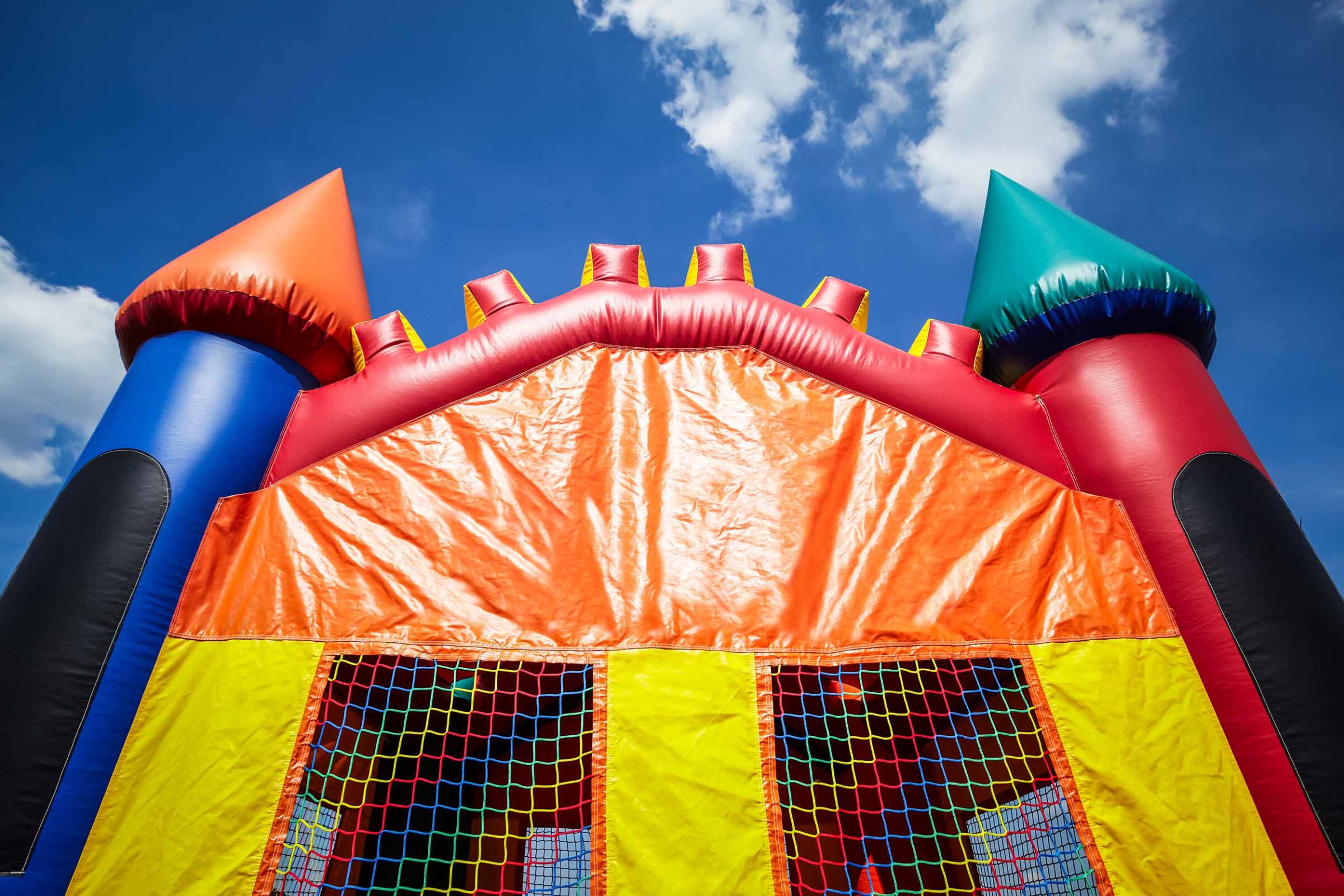
On July 14, 2019, nine-year-old Lizzy Hammond was playing in a bounce house at a birthday party in Reno. A 17-mile-per-hour wind gust lifted the inflatable ten feet off the ground and into power lines. Lizzy died five days later. No charges were filed because no laws had been broken.
Nevada was one of 17 states with no regulations for inflatable rental businesses. Lizzy’s parents spent years fighting to change that, and in 2025, they finally succeeded. Assembly Bill 198, known as Lizzy’s Law, took effect January 1, 2026. It gives bounce house injury victims in Nevada legal ground to stand on when an operator’s negligence causes harm.
“More than 10,000 people visit emergency rooms each year in the United States for bouncy-castle-related injuries. Inflatables account for 42 percent of all amusement ride injuries recorded in U.S. injury surveillance data.”
What Nevada’s AB 198 Requires, and Why It Matters for Bounce House Injury Claims
Before Lizzy’s Law, a bounce house operator in Reno could rent inflatables with no license, no insurance, and no obligation to monitor wind speeds. If something went wrong, injured victims had little to work with. AB 198 changed that. Any business that rents or operates inflatable devices in Nevada must now:
- Hold all required state and local business licenses
- Carry a minimum of $1 million in liability insurance or a surety bond of equal value
- Maintain a logbook for each device, documenting every use and inspection
- Anchor all inflatables with stakes and weights of at least 75 pounds at all times
- Monitor wind speeds and cease operations when winds exceed 15 mph. That threshold was chosen because the wind on the day Lizzy died was 17 mph
- Remove any inflatable from service if a hazard is identified
The most significant provision for injury victims is this: AB 198 explicitly states that failure to follow these regulations constitutes negligence. Thus, any operator who violates the law’s requirements and causes a bounce house injury is negligent as a matter of law, not just as a matter of argument.
3 Assumptions About Bounce House Injuries That Could Cost You Your Claim
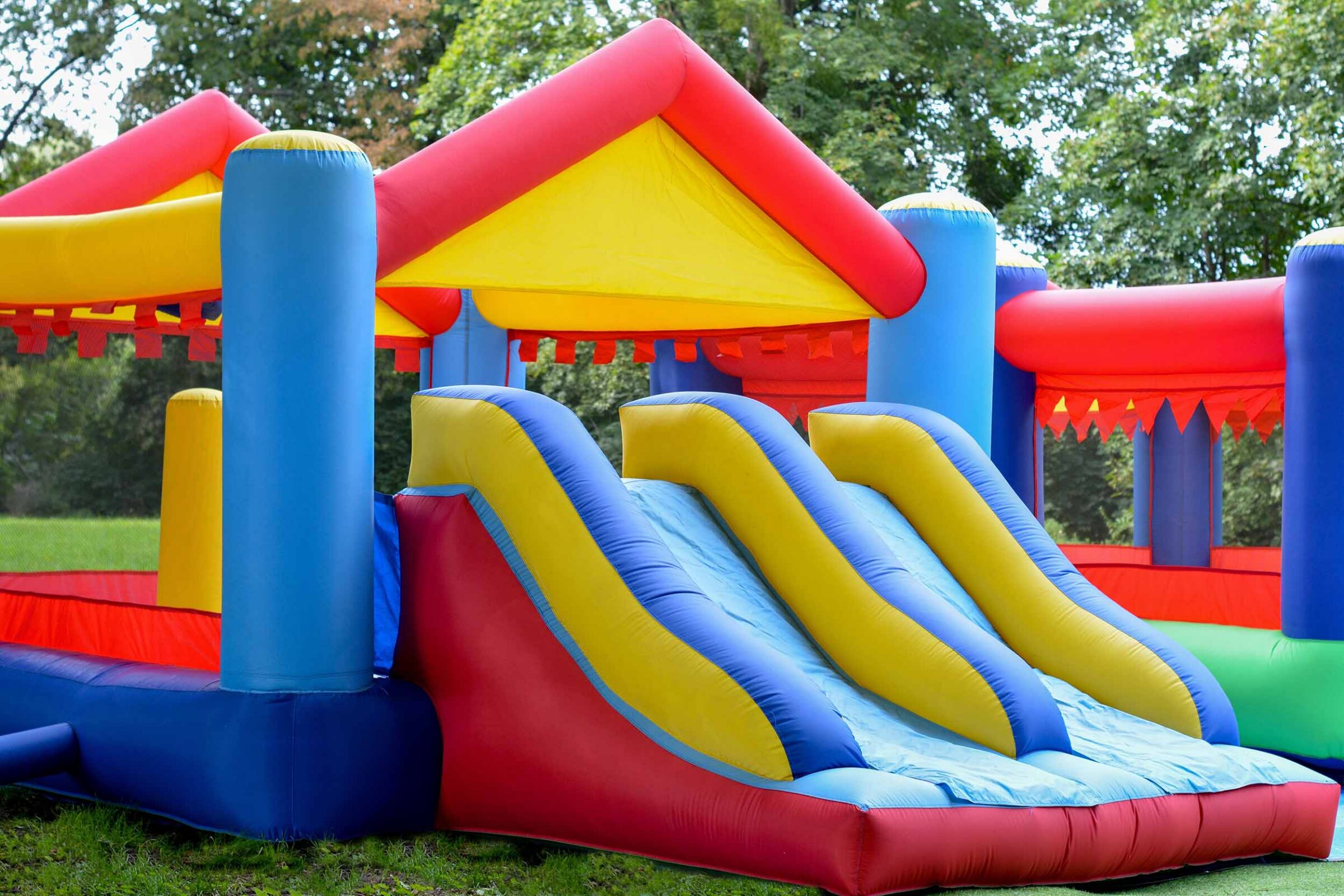
Most families do not pursue compensation after a bounce house accident. More often than not, they talk themselves out of a claim they have every right to make.
Here are three of the most common misconceptions:
1. “It Was Just an Accident. No One Is Really at Fault.”
Under AB 198, the legal analysis is more straightforward than most people expect. If an operator failed to anchor the inflatable properly, skipped required inspections, or ran equipment in winds above 15 mph, the violation of the law is itself proof of negligence. You do not need to show that the operator meant harm. You need to show they ignored the rules, and someone got hurt.
2. “The Injury Happened at a Private Party, So Nobody Is Liable”
AB 198 applies to any business that rents or operates inflatables. It does not exempt birthday parties or private events. If a rental company sets up the bounce house, they are subject to the law’s requirements regardless of the venue. And if the event was held at a business or public facility, the property owner may also have premises liability exposure. If you were injured at a business, those obligations follow the property owner even when the specific equipment was rented from a third party.
3. “The Injury Wasn’t Serious Enough to Sue Over”
Bounce house injuries range from broken bones and lacerations to traumatic brain injuries and spinal damage. Injuries that feel minor at the scene often turn out to be more serious once the full medical picture develops. A free consultation costs nothing and gives you an understanding of what your claim is worth, including future treatment costs and lost income that most families do not think to account for.
— Wendy Hammond, Lizzy’s mother, testifying before the Nevada Legislature (Las Vegas Sun, February 2025)
AB 198 was written so no family ever has to say those words again.
Who Can Be Held Liable for Bounce House Injuries in Nevada?
Depending on the circumstances, more than one party may bear legal responsibility. Your attorney will examine all of them:
- The rental operator: Any AB 198 violation that caused or contributed to the bounce house injury is direct evidence of negligence. The mandatory $1 million insurance requirement means there is a clear, funded source of recovery when an operator is at fault.
- The property owner or event host: Schools, businesses, churches, and private venues that allowed an unsafe inflatable setup on their property may carry premises liability exposure under Nevada law.
- The manufacturer: If a design or manufacturing defect contributed to the accident, such as a faulty anchor point, blower failure, or inadequate wind resistance, the maker of the inflatable may be a defendant under Nevada product liability law.
What Compensation Is Available?
Victims may be entitled to medical expenses (past and future), lost wages and earning capacity, pain and suffering, and, in cases of extreme recklessness, punitive damages. In fatal accidents, surviving family members may have a wrongful death claim as well. The severity of the bounce house injury and the degree of the operator’s violation both factor into the total value of a claim.
The Window After a Bounce House Injury Is Shorter Than You Think
Evidence from a bounce house accident disappears fast. The inflatable gets deflated and returned, wind speed data goes unrecorded, witnesses scatter. Nevada’s statute of limitations for personal injury cases is two years, but the window for gathering the evidence that actually wins a case closes much sooner.
Here’s what we recommend:
- Get medical attention right away, even if the injury seems minor.
- Take photos of the setup, the anchoring, and the inflatable itself before anything is moved.
- Get the operator’s business name and insurance information.
- Do not speak to the operator’s insurance adjuster without talking to a lawyer first. Adjusters work for the insurer, not for you.
Jensen Oldham Personal Injury Law: A Reno Injury Law Firm That Goes to Trial
AB 198 gave injured families legal tools they never had before. Using those tools effectively takes an attorney who knows Nevada’s courts and is willing to litigate. At Jensen Oldham Personal Injury Law, we are a Reno injury law firm with over 40 years of experience litigating personal injury cases across Northern Nevada. Bob Jensen is one of a small number of attorneys in Nevada certified by the State Bar as a personal injury specialist. Insurance companies take that seriously, and so do we.
If your child or a family member suffered bounce house injuries at a Reno event, festival, school, or private party, our serious injury attorney team is ready to review your case for free.
Disclaimer: The information provided on this site is for general information purposes only. The information you obtain at this website is not, nor is it intended to be, legal or medical advice. You should consult an attorney or doctor for advice regarding your own individual situation. Use of this website or submission of an online form does not create an attorney-client relationship.