
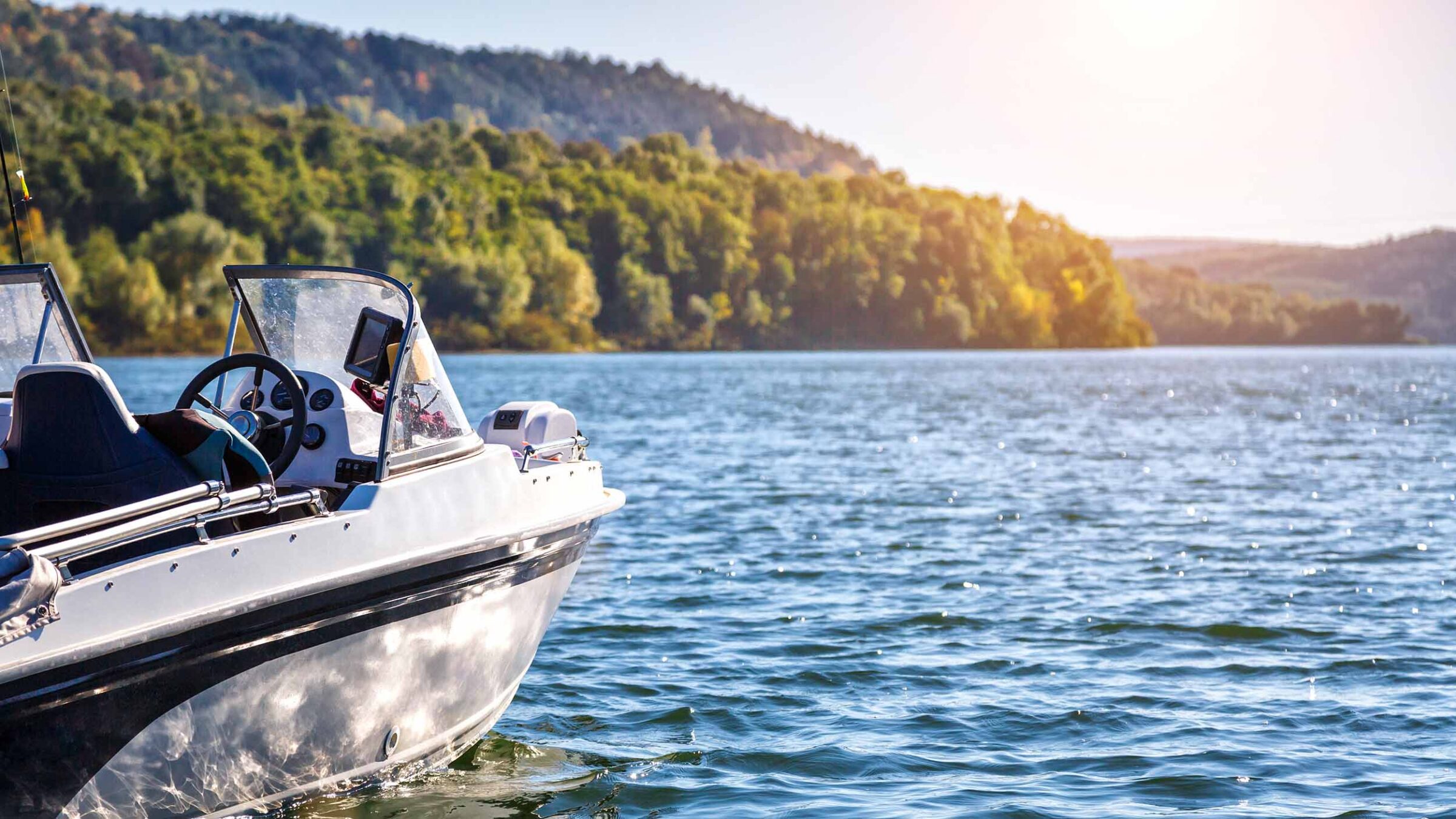
Lake Tahoe is one of the most popular boating destinations in Northern Nevada, and Fourth of July weekend is its busiest stretch of the year. Law enforcement agencies from the Nevada Department of Wildlife and the National Park Service run coordinated patrols specifically because alcohol-related incidents on the water increase during holiday weekends. If you were injured in a drunk boating accident on Tahoe or anywhere on Nevada waters, here is what your legal options actually look like.
Nevada Treats a Drunk Boating Accident the Same as a Drunk Driving Crash
Most people do not realize this, but boating under the influence in Nevada carries the same legal weight as a DUI on the road. Under NRS 488.410, it is unlawful to operate any vessel on Nevada waters with a BAC of 0.08% or higher, or while impaired to any degree that makes safe operation impossible. Most people know the 0.08 threshold from driving. On the water, it works exactly the same way. A first offense with no injuries is a misdemeanor. When a drunk boating accident causes serious injury or death, it becomes a Category B felony carrying two to twenty years in prison and fines up to $5,000.
The criminal case and the civil case run on separate tracks, and your right to compensation does not depend on what happens in criminal court. A felony BUI conviction is strong evidence, but a BAC test showing the operator was over the legal limit is enough to build a civil case around. You can move forward without waiting for the prosecutor.
“Alcohol continued to be the leading known contributing factor in fatal boating accidents in 2024, accounting for 92 deaths, or 20% of total fatalities.”
— U.S. Coast Guard 2024 Recreational Boating Statistics Report
4 Parties Who May Be Liable for Your Drunk Boating Accident
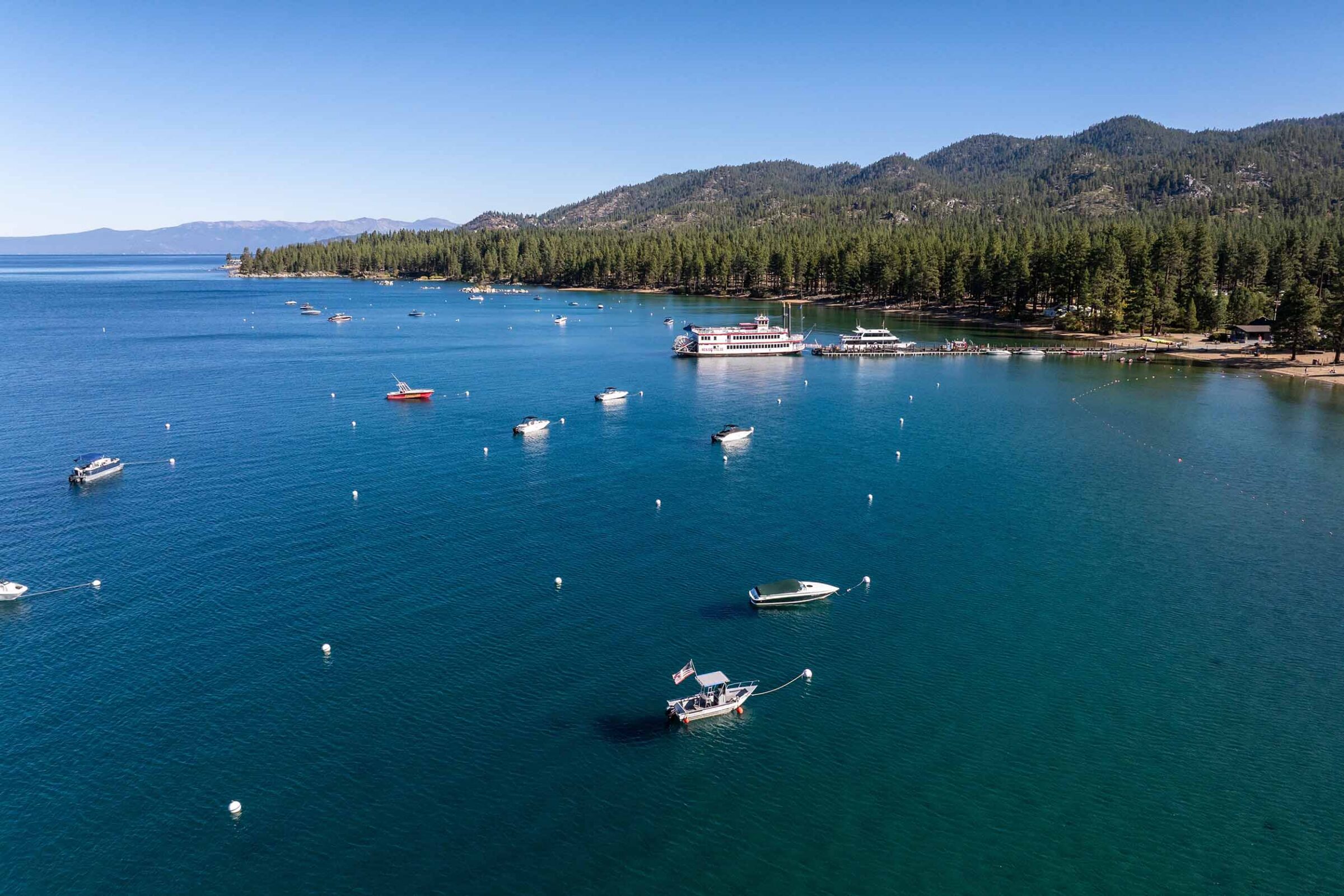
The person driving the boat is the most obvious target, but not always the only one. Depending on how the accident happened, your attorney may find liability in more than one place.
1. The Boat Operator
Whoever was at the helm is the primary defendant. Their BAC results, how they performed on field sobriety tests, and any prior BUI history on their record are all fair game in a civil case.
2. The Boat Owner
Letting a drunk person take the wheel of your boat is not just poor judgment. Under Nevada law, an owner who handed over the keys knowing the operator was impaired can be held liable for what happened next.
3. A Charter or Rental Company
Rental companies are supposed to screen customers before handing over a vessel. Sending someone out on the water while they are visibly intoxicated is a failure that puts the company in the middle of any drunk boating accident that follows.
4. A Marina or Event Organizer
Nevada’s dram shop statutes allow injured victims to go after businesses that served alcohol to a visibly intoxicated person who then caused an accident. On a Fourth of July weekend with vendors and marina bars running full speed, that question is worth asking.
What Compensation Is Available After a Boating Under the Influence Accident?
Boating injuries tend to be serious. A propeller strike, a high-speed collision, or a passenger thrown into cold water can produce injuries that take months to fully understand and years to fully treat. Victims can pursue compensation for:
- Medical expenses, including emergency care, surgery, rehabilitation, and long-term treatment for permanent injuries.
- Lost wages and earning capacity, if your injuries required extended recovery or left you with lasting limitations.
- Pain and suffering and emotional distress.
- Punitive damages, available in Nevada when a defendant’s conduct shows malice or conscious disregard for others. Choosing to operate a vessel while drunk qualifies. Read more about how punitive damages work in Nevada intoxication cases.
“Alcohol is the top factor in fatal boating accidents. It slows your reflexes, clouds your judgment, and throws off your coordination.”
— Captain Buck Tingle, Nevada Boating Law Administrator, Carson Now (July 2025)
Why Evidence Disappears Fast in Lake Tahoe Boating Cases
The window for preserving evidence after a drunk boating accident is short. BAC test results, law enforcement reports, marine patrol logs, GPS vessel data, and witness contact information all need to be secured quickly. So does digital evidence in court: texts sent in the hours before the accident, social media posts showing the operator drinking, and GPS or onboard computer logs that tell the story of where the boat was and how fast it was moving. Once the vessel goes back to its owner and the insurer closes the file, that information disappears.
At the scene: call for help, report the accident to law enforcement (Nevada requires it for any boating incident involving injury, death, or significant property damage), and get the names of every witness before people scatter. Photograph both boats and your injuries before anything is moved. When the other side’s insurance company calls, do not give a recorded statement before speaking with a lawyer. They are not trying to help you. They are trying to get on record early.
Hurt on the Water This Holiday? Talk to a Lake Tahoe Boating Accident Lawyer First.
Boat owners’ insurers move quickly after an accident, and they are good at it. By the time most injured people understand what their case is worth, the other side has already collected statements and started building a defense. Jensen Oldham Personal Injury Law has spent over 40 years on the other side of that equation, representing injured people across Northern Nevada and the Lake Tahoe region.
Contact our personal injury attorney in Tahoe for a free consultation. No fees unless we win.
Disclaimer: The information provided on this site is for general information purposes only. The information you obtain at this website is not, nor is it intended to be, legal or medical advice. You should consult an attorney or doctor for advice regarding your own individual situation. Use of this website or submission of an online form does not create an attorney-client relationship.