
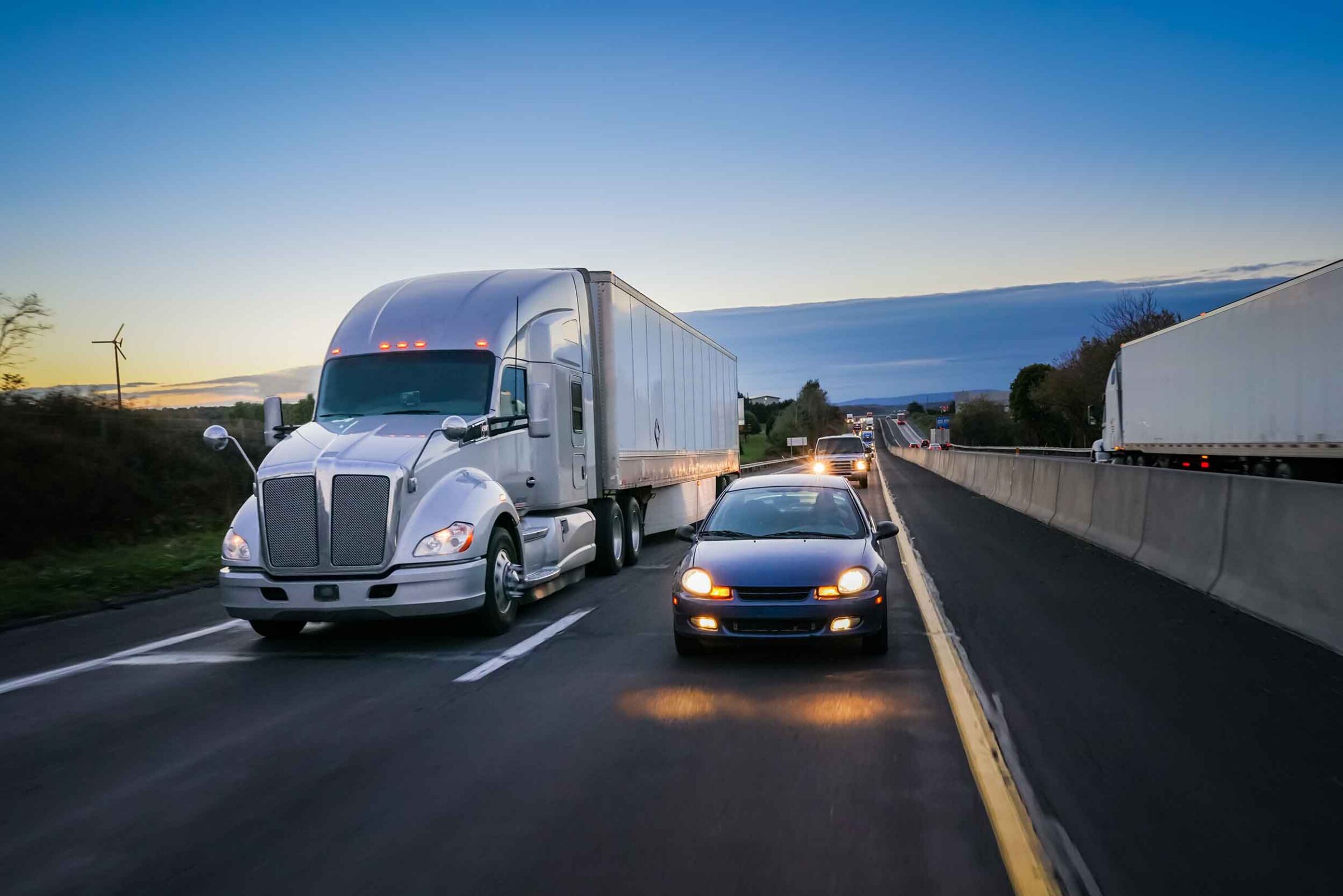
If you were hit by a commercial semi on I-80 and are wondering who is at fault in a weather-related car accident, the answer is rarely the weather itself. Under California’s “Basic Speed Law,” drivers are legally required to adjust their driving to match current road and weather conditions. If a driver fails to slow down, neglects to use tire chains, and causes a Truckee winter truck accident, they are legally at fault for negligence—even if they were technically driving below the posted speed limit.
“When a commercial truck jackknifes on Donner Pass, the trucking company’s defense lawyers will immediately blame the ice to avoid paying the claim. But weather doesn’t cause crashes—drivers who fail to respect the weather cause crashes.”
— Cody Oldham, Former Insurance Defense Partner at Jensen Oldham
Who Is at Fault in a Weather-Related Car Accident on I-80?
When blizzard conditions hit the Sierra, the posted speed limit on I-80 becomes irrelevant. California Vehicle Code 22350, commonly known as the Basic Speed Law, dictates that no person shall drive a vehicle at a speed greater than is reasonable or prudent given the weather, visibility, and surface conditions.
This means that if the sign says 65 MPH, but the road is covered in a sheet of black ice, driving 65 MPH is illegal. Commercial drivers and tourists alike must maintain a safe following distance, use the correct snow tires or chains, and significantly reduce their speed. If someone rear-ends you or slides into your lane because they were traveling too fast for the icy conditions, they are at fault for the resulting car accidents.
3 Tactics Adjusters Use After a Truckee Winter Truck Accident
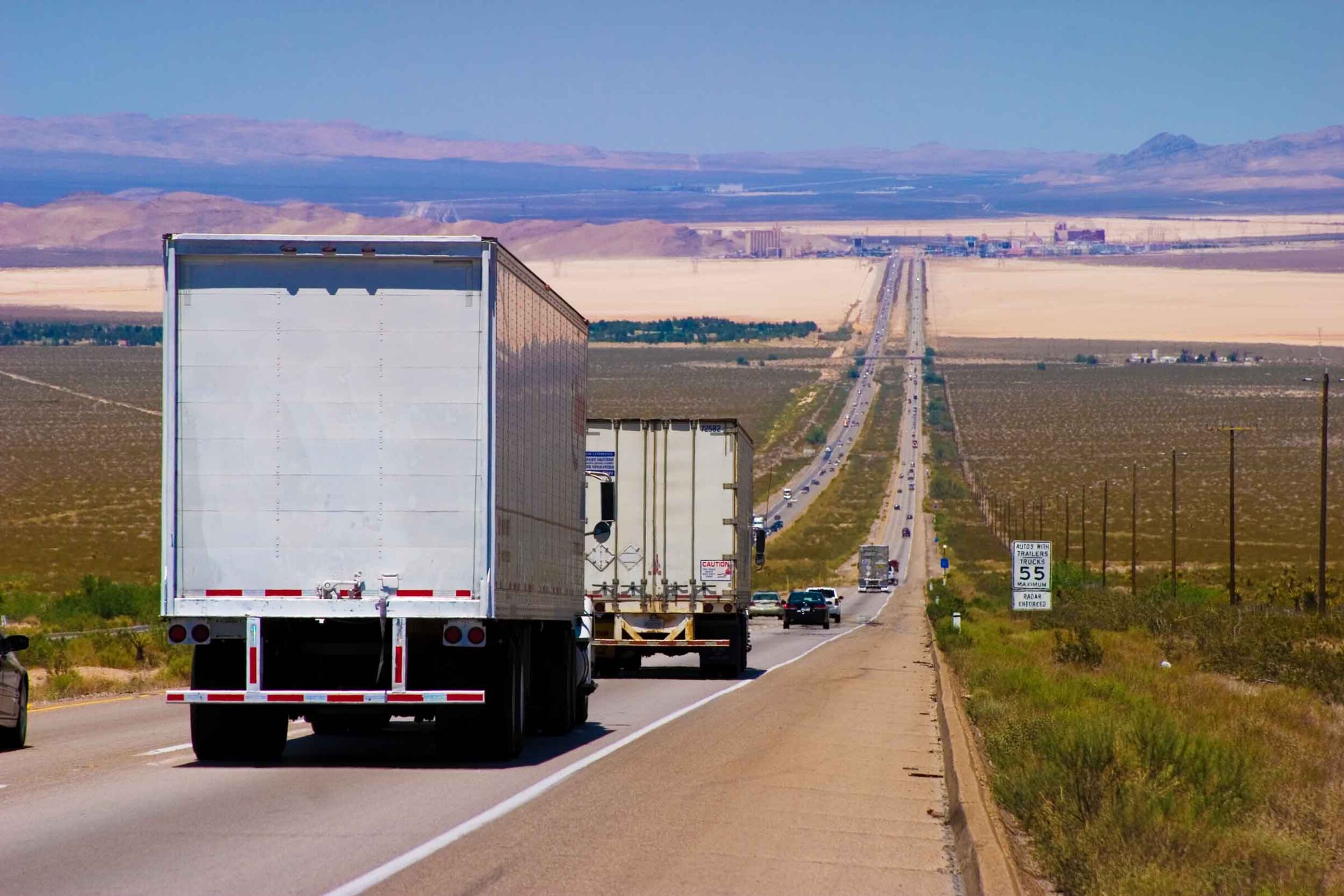
As a former insurance defense attorney, Cody Oldham knows the exact playbook corporate adjusters use to avoid paying out massive settlements after an interstate crash. Here are three tactics they will try, and how our legal team defeats them:
1. The “Act of God” Defense (Sudden Emergency)
Insurance adjusters love to claim that a patch of black ice or a sudden whiteout was an unforeseeable “Act of God” or a sudden emergency that absolves their driver of fault. We defeat this defense by pulling meteorological data, Caltrans chain-control logs, and highway warning sign records. If the signs on I-80 were flashing “Chains Required – 30 MPH,” the ice was not a sudden emergency; it was an obvious hazard the driver chose to ignore.
2. Blaming Your Vehicle (Comparative Negligence)
Unlike Nevada, California operates under a “pure comparative negligence” system. This means the defense can reduce the amount they owe you by proving you were partially responsible for the crash. Adjusters will aggressively investigate your vehicle to see if your tire tread was bald, if your taillights were out, or if you were driving without chains. Their goal is to shift a percentage of the blame onto you.
3. Hiding the Truck’s Electronic Logs (ELDs)
Commercial trucking accidents are unique because semi-trucks are equipped with Electronic Logging Devices (ELDs)—essentially “black boxes.” This data proves exactly how fast the trucker was driving, when they hit their brakes, and whether they had been driving past their federally mandated hours of service. Trucking companies will “accidentally” delete this data if given the chance. Our team immediately sends legally binding spoliation letters to force them to preserve the black box data before it disappears.
Did You Know?
According to the Federal Motor Carrier Safety Administration (FMCSA), commercial truck drivers are required by federal trucking regulations to reduce their speed by at least one-third on wet roads, and by half or more on snow-packed roads.
Why You Need a Dual-Licensed Truckee Personal Injury Lawyer
Lake Tahoe and Truckee present a massive jurisdictional nightmare for accident victims. Thousands of Nevada residents commute over the border to ski at Northstar or work in Truckee.
If you are a Reno resident and get hit by a national commercial truck just over the California border on Donner Summit, your Nevada auto insurance policy suddenly has to interact with California’s pure comparative negligence laws and the California court system.
Hiring an attorney who is only licensed in Nevada means they cannot legally file a lawsuit for you in California. Hiring a lawyer who is only licensed in California means they don’t fully understand your Nevada insurance coverage (like your UM/UIM or MedPay policies). You need a Truckee personal injury lawyer who is licensed in both states. At Jensen Oldham, our dual-licensed trial team seamlessly cuts through the cross-border red tape, ensuring you aren’t trapped in a legal gap between the two states.
CALIFORNIA’S BASIC SPEED LAW (CVC 22350)
California Vehicle Code 22350 makes it explicitly illegal to drive faster than is safe for current weather and road conditions. This means if a semi-truck is driving 55 MPH during a Truckee snowstorm, they can be found legally negligent and fully at fault for a crash, even if the posted speed limit is 65 MPH.
We Have Your Back No Matter the Weather
Proving fault in a severe winter crash requires aggressive investigation and deep knowledge of commercial trucking regulations. Do not let a corporate insurance company bully you into accepting a lowball offer by blaming the icy roads.
If you or a loved one were injured on I-80 or Highway 395, let the trial lawyers at Jensen Oldham handle the cross-border legal complexities so you can focus on recovering from your injuries. Contact us today for a free, no-obligation consultation. We work entirely on contingency—meaning you pay absolutely nothing unless we win your case. Contact us today.
Disclaimer: The information provided on this site is for general information purposes only. The information you obtain at this website is not, nor is it intended to be, legal or medical advice. You should consult an attorney or doctor for advice regarding your own individual situation. Use of this website or submission of an online form does not create an attorney-client relationship.