
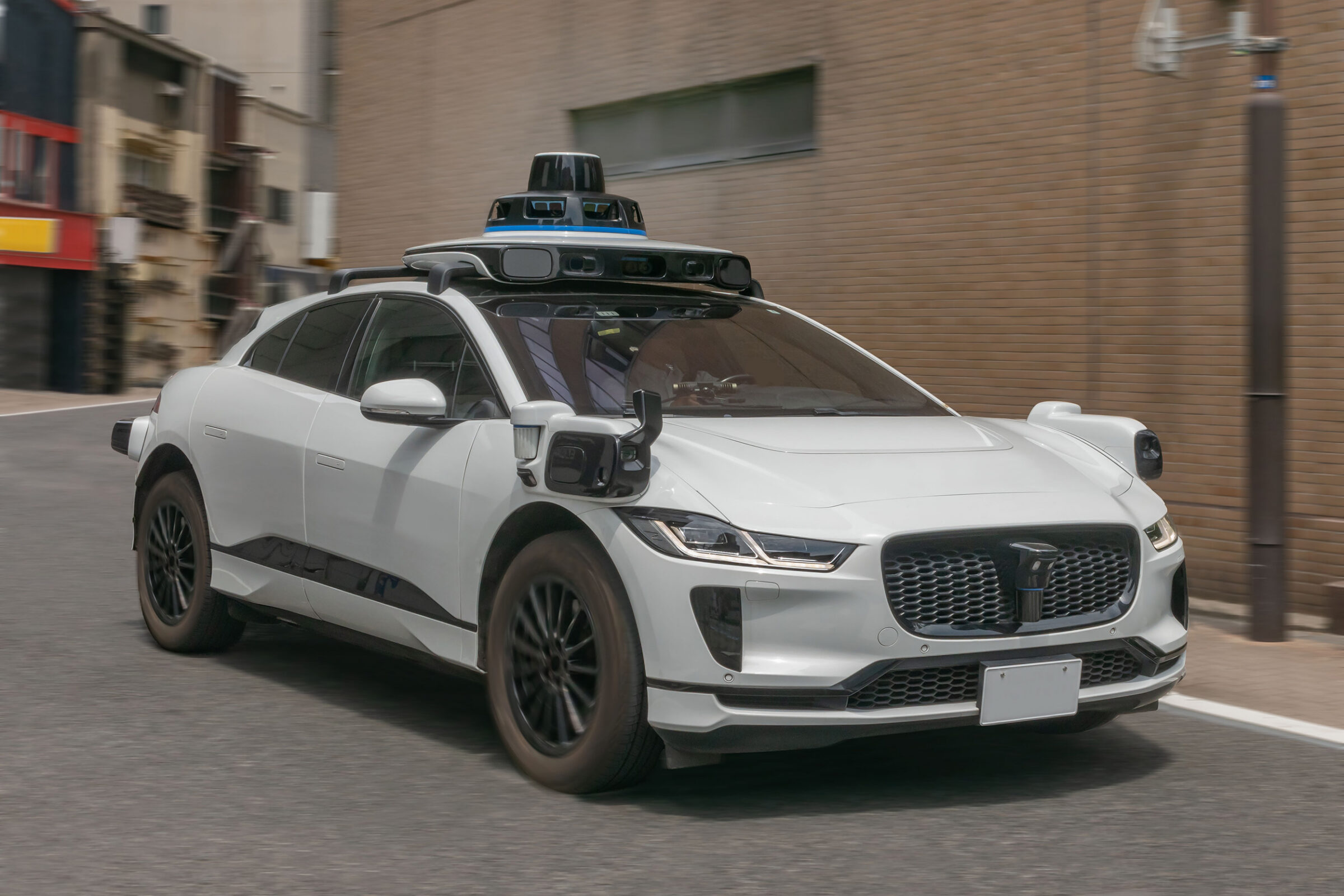
If you are involved in an autonomous vehicle crash in Nevada, you should immediately seek medical attention, call law enforcement to ensure an official police report is filed, and document the scene by taking photos of the vehicle’s sensors, company markings, and license plates. Because self-driving cars generate complex internal data, you must contact a personal injury lawyer immediately to issue a preservation letter preventing the tech company from deleting crucial crash footage.
“Nevada was the very first state to legalize autonomous vehicles on our roads, which means our residents are the ultimate test subjects for this technology. When a computer fails, we make sure the billion-dollar tech companies are held accountable.”
What is an Autonomous Vehicle Crash?
Under Nevada law (NRS Chapter 482A), an autonomous vehicle is defined as a car equipped with an automated driving system capable of performing all dynamic driving tasks without any human intervention. This includes the growing fleet of robotaxis, commercial transport vehicles, and driverless delivery vans currently operating throughout Reno and Las Vegas.
An autonomous vehicle crash occurs when one of these self-driving systems fails to recognize a hazard, miscalculates a turn, or malfunctions, resulting in a collision with a traditional human-driven vehicle, a pedestrian, or a cyclist.
What Makes these Types of Crashes Different
A standard car crash is usually a straightforward liability dispute of driver vs. driver or getting hit by a high driver. An autonomous vehicle crash instantly becomes a complex product liability case. Your opponent is not a distracted local driver with standard auto insurance; your opponent is a massive tech company, like Tesla, Waymo, or Zoox, backed by teams of software engineers and corporate defense lawyers.
In these crashes, there is no driver to interview. Instead, the critical evidence lives inside the vehicle’s “black box” event data recorder, LIDAR sensor readings, and internal camera data. Unless you have your own dash cam evidence to use in court, the biggest challenge is that all the crash data is controlled entirely by the at-fault tech company, making it incredibly difficult to obtain without immediate and aggressive legal action.
5 Things to Do After an Autonomous Vehicle Crash
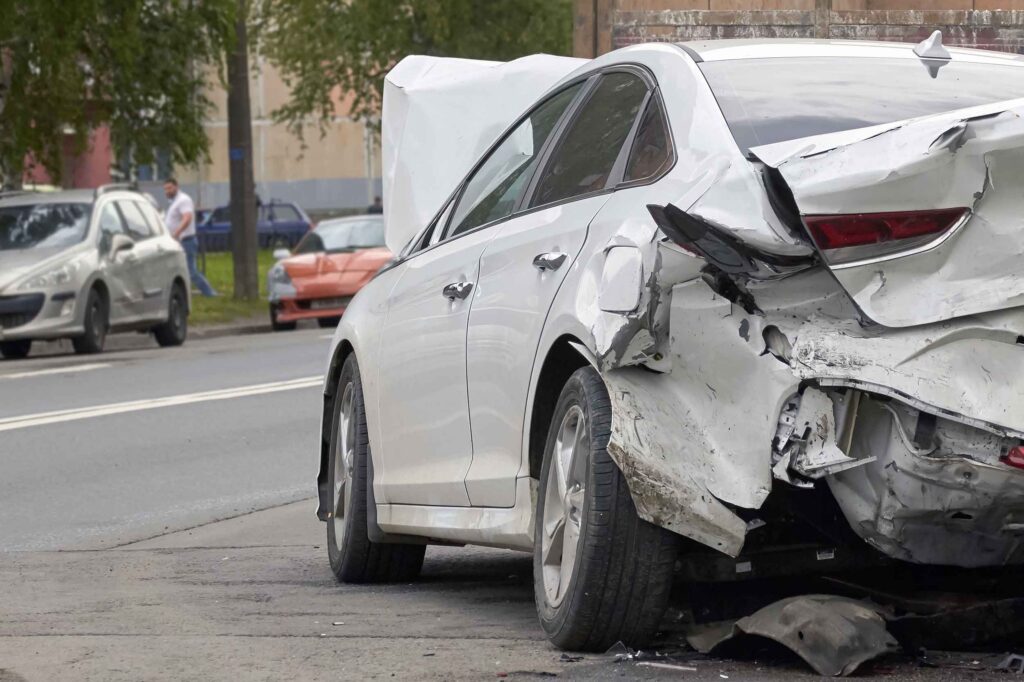
Because you are dealing with corporate technology rather than a human driver, the steps you take immediately following a collision are critical to protecting your physical health and your legal rights.
1. Call 911 and Demand a Police Report
Even if the robotaxi is completely empty and no human driver is present to exchange insurance information with, you must call 911. A police report is vital for documenting the exact time, location, and circumstances of the malfunction. Responding officers will also create an official record that the autonomous vehicle was involved, which prevents the company from later denying the vehicle was present at the scene.
2. Photograph the Vehicle’s Identifying Marks and Sensors
Before the vehicles are moved, use your smartphone to document everything. Take clear photos of the license plate, any Department of Transportation (DOT) numbers, and company logos on the vehicle. Most importantly, photograph the specific array of cameras and LIDAR sensors mounted on the roof or bumpers. If a sensor was obstructed by debris or clearly damaged prior to the crash, your photos will serve as invaluable evidence.
3. Seek Immediate Medical Evaluation
As with any severe collision, the adrenaline pumping through your body can easily mask the pain of serious injuries. Do not assume you are uninjured just because you can walk away. Seek immediate medical attention at an emergency room or urgent care clinic to be evaluated for whiplash, soft-tissue damage, internal bleeding, or concussions. Establishing a medical record on the same day as the crash links your injuries directly to the accident.
4. Do Not Speak to the Tech Company’s Rapid Response Team
Autonomous vehicle companies often dispatch specialized rapid response teams to the scene of a crash, or their corporate adjusters may call you within hours of the accident. Their primary goal is to minimize corporate liability. They may ask seemingly harmless questions to get you to admit fault or downplay your injuries. Do not provide a recorded statement, and do not sign any documents they present to you.
5. Hire a Lawyer to Send a Spoliation Letter
Tech companies routinely overwrite or delete their vehicles’ internal data and video footage as part of their standard data-looping protocols. To prevent this, your attorney must immediately send a legally binding spoliation letter. This legal demand forces the tech company to preserve the car’s internal telemetry logs, sensor data, and video recordings before they are destroyed.
Who is Liable When a Self-Driving Car Causes an Accident?
Determining who pays for your medical bills and lost wages after a self-driving car accident in Nevada requires identifying where the technology failed. Liability can fall on several different parties:
- The Software Developer: If the automated driving system’s code failed to recognize a red light or a pedestrian in the crosswalk.
- The Manufacturer: If a physical hardware defect, such as a faulty LIDAR sensor or a blown brake line, caused the crash.
- The Fleet Operator: If the company operating the robotaxi failed to properly maintain the vehicle or update its software.
Before these companies can even put a fully driverless car on the road, Nevada law ensures that victims will have a source of financial recovery. Under NRS 482A.060, any entity testing an autonomous vehicle on public highways must submit proof to the DMV of a minimum $5,000,000 insurance policy or surety bond. This means there is significant, high-limit coverage available for victims who suffer catastrophic injuries in a robotaxi crash.
“Bob and his associates are professional, knowledgeable, and truly care about his clients. He takes the time to explain everything clearly, keeps you informed throughout the process, and makes sure you feel supported every step of the way. His experience and dedication gave me confidence during a stressful time.”
– Elizabeth N., Reno Client
How Jensen Personal Injury Law Can Help
Taking on a multi-billion-dollar tech giant requires a law firm with deep resources and an aggressive litigation strategy. At Jensen Oldham Personal Injury Law, we understand that autonomous vehicle liability is a rapidly evolving area of the law.
Partner Cody Oldham brings invaluable insight from his years as a former insurance defense lawyer. He knows exactly how corporate risk managers and defense teams operate behind closed doors, allowing our firm to anticipate and dismantle the aggressive defense strategies tech companies use to hide their software flaws. We handle the complex legal legwork, from subpoenaing source code data to hiring accident reconstructionists, so you can focus entirely on your physical recovery.
Don’t Face a Tech Giant Alone: Get Help with Your Autonomous Vehicle Claim
If you or a loved one has been injured by a self-driving vehicle, the clock is already ticking. Nevada has a strict two-year statute of limitations for personal injury claims, but the digital evidence you need to prove your case could disappear in a matter of days.
Do not let a tech company sweep your accident under the rug. Contact our car accident lawyers today to schedule a completely free, no-obligation case evaluation. If a computer’s mistake changed your life, we will fight to secure the maximum compensation you deserve.
Disclaimer: The information provided on this site is for general information purposes only. The information you obtain at this website is not, nor is it intended to be, legal or medical advice. You should consult an attorney or doctor for advice regarding your own individual situation. Use of this website or submission of an online form does not create an attorney-client relationship.